Mark Krull, Managing Director of Logic4training, explains why diversification is becoming essential for electricians looking to stay competitive as electrification, smart technologies, and new policy drivers reshape the industry.
An electrician’s role is changing fast, and while core electrical competence will always be essential, 2026 is shaping up to be a year in which electricians who don’t add new technologies to their skill set risk being left behind. Electrification of the building services space is already underway, and, to remain competitive, electricians need to upskill.
From apprentices taking their first steps to experienced contractors looking to future-proof their businesses, one thing is clear: the electricians who will thrive over the next few years will be the ones who are prepared to diversify their skills to meet the growing opportunities within the sector.
The case for diversification
The UK has a serious shortage of electricians, and the problem is only set to deepen. Estimates suggest more than 100,000 additional electrical technicians will be needed by the early 2030s to meet demand driven by housing growth, net zero targets, and the rapid roll-out of low-carbon technologies. An ageing workforce and ongoing labour shortages post-Brexit are also intensifying the pressure.
At the same time, electricians are being asked to work across a far broader scope than ever before, as heating, transport, and building systems become increasingly electrified. Those with experience across a wider range of electrical technologies are better placed to win work, command higher rates, and build longer-term relationships with customers who increasingly want a single, trusted electrical specialist.
Market drivers and policy changes shaping 2026
Policy continues to be one of the biggest drivers of change. The government’s net zero strategy, reinforced through recent budgets, is pushing electrification across the built environment. Investment in grid upgrades, alongside policy mechanisms such as the nuclear RAB levy and Climate Change Levy adjustments, is feeding into rising electricity demand and more complex electrical infrastructure.
From April 2026, changes to the Energy Company Obligation and the Renewables Obligation are expected to rebalance costs and incentives around energy efficiency and low-carbon skills. While these schemes can feel distant from day-to-day site work, their impact is very real, shaping which technologies are installed and the competencies contractors are expected to demonstrate.
Another major shift is the Market-wide Half-Hourly Settlement. This reform will make energy usage data more granular and place greater emphasis on smart meters, flexible tariffs, and energy management systems. Electricians who understand how smart metering, data, and connected devices work together will be better placed to support customers navigating this more complex energy landscape.
There is also welcome emphasis on skills, with apprenticeships and vocational training positioned as key enablers of the transition. For employers and self-employed electricians alike, this creates an incentive to invest in upskilling rather than standing still.
Where the strongest opportunities lie
When it comes to diversification, the goal is to build complementary skills that reflect where demand is heading. One clear example is electric vehicles: under the Future Homes Standard, new homes in England are already required to include EV charge points, embedding EV infrastructure as standard electrical work rather than a niche add-on.
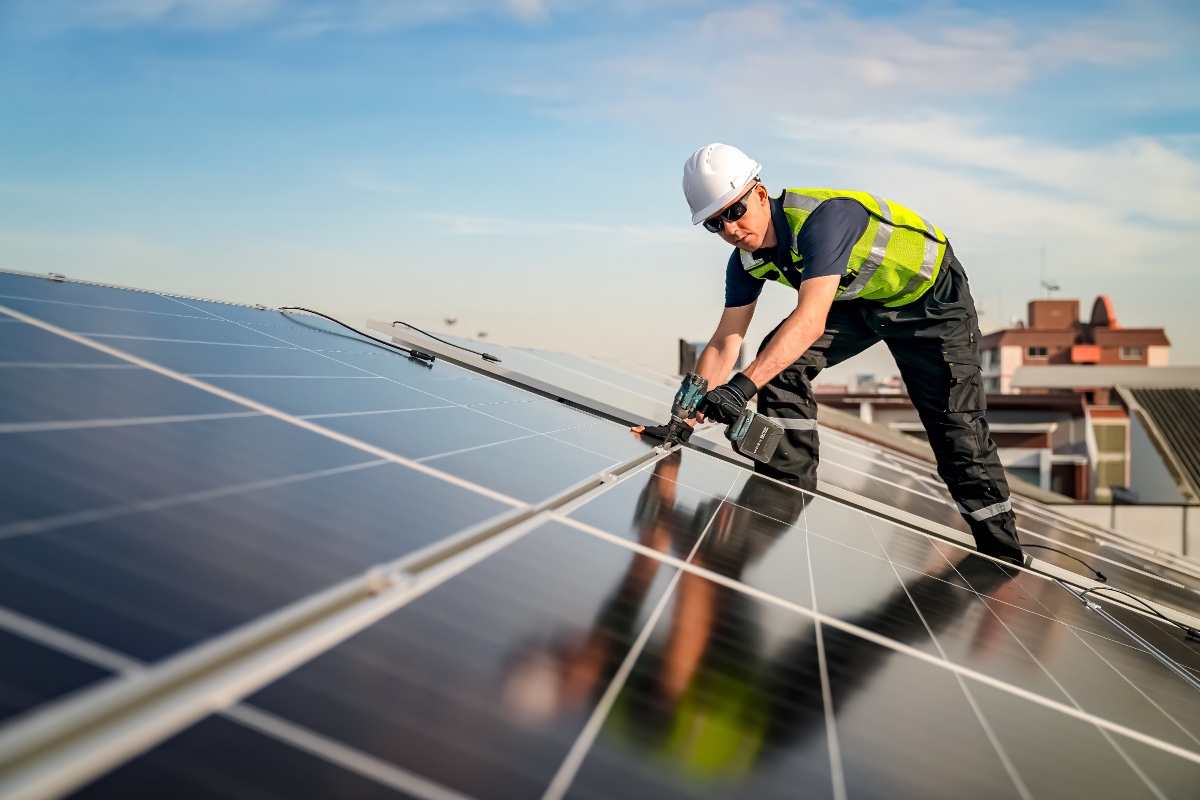
Renewable and low-carbon technologies remain a major growth area. Solar PV, battery storage, EV charging, and heat pumps all rely on strong electrical competence. Recent changes to the Boiler Upgrade Scheme are particularly significant, with support extending for the first time to include more electrical-only technologies such as air-to-air heat pumps and heat batteries.
Smart homes and building automation are also moving into the mainstream, and customers increasingly expect smart controls, energy monitoring, and connected devices as standard. This requires not just installation skills, but confidence in configuration and commissioning, as well as the ability to explain systems clearly to end users.
Finally, maintenance, inspection, and testing remain the backbone of the industry. As electrical systems incorporate more connected and low-carbon technologies, the challenge for electricians is staying up to date, working with new products, and, in many cases, partnering with manufacturers to access system-specific training.
Skills needed to stay competitive
Regulatory knowledge is non-negotiable. A solid understanding of BS 7671, Part P, and wider building and energy regulations underpins professional credibility and keeps both electricians and their customers safe. The prerequisites for solar PV, EESS, and EV charge point installation have recently changed, meaning these upskill courses are now solely aimed at qualified electricians, reinforcing high standards, safety, and competence across the industry.
Digital literacy is just as important. Working with smart meters, energy management software, and connected systems requires confidence with data and controls; AI is now an unavoidable part of this landscape.
And we shouldn’t overlook soft skills. Customer service, communication, and basic business acumen matter more than ever – particularly as many electricians are self-employed or running small firms. Pricing work properly, managing paperwork, keeping up with compliance, and marketing services effectively are all part of being sustainable in the long term.
Training options for long-term career development
One of the strengths of the electrical sector is that there is no single path; that flexibility is increasingly important. Apprenticeships remain vital for bringing new talent into the industry, combining real-world experience with structured learning. There are also new entrant options for learners of all ages and backgrounds, providing structured routes to electrical competence.
Once qualified, many manufacturers offer a wide range of training in specific products, much of which is free. By partnering with a manufacturer, you usually have access to their technical support and warranties.
A call to action for 2026
Looking ahead to 2026, diversifying isn’t about chasing every new trend, but about making informed, strategic choices that align with where the market is heading.
Electricians who invest in their skills now will be better placed to shape their own futures, rather than simply reacting to change. With the right training, a willingness to adapt, and a clear understanding of where the wider market is heading, electricians can play a central role in delivering the UK’s low-carbon ambitions – building secure, rewarding careers in the process.