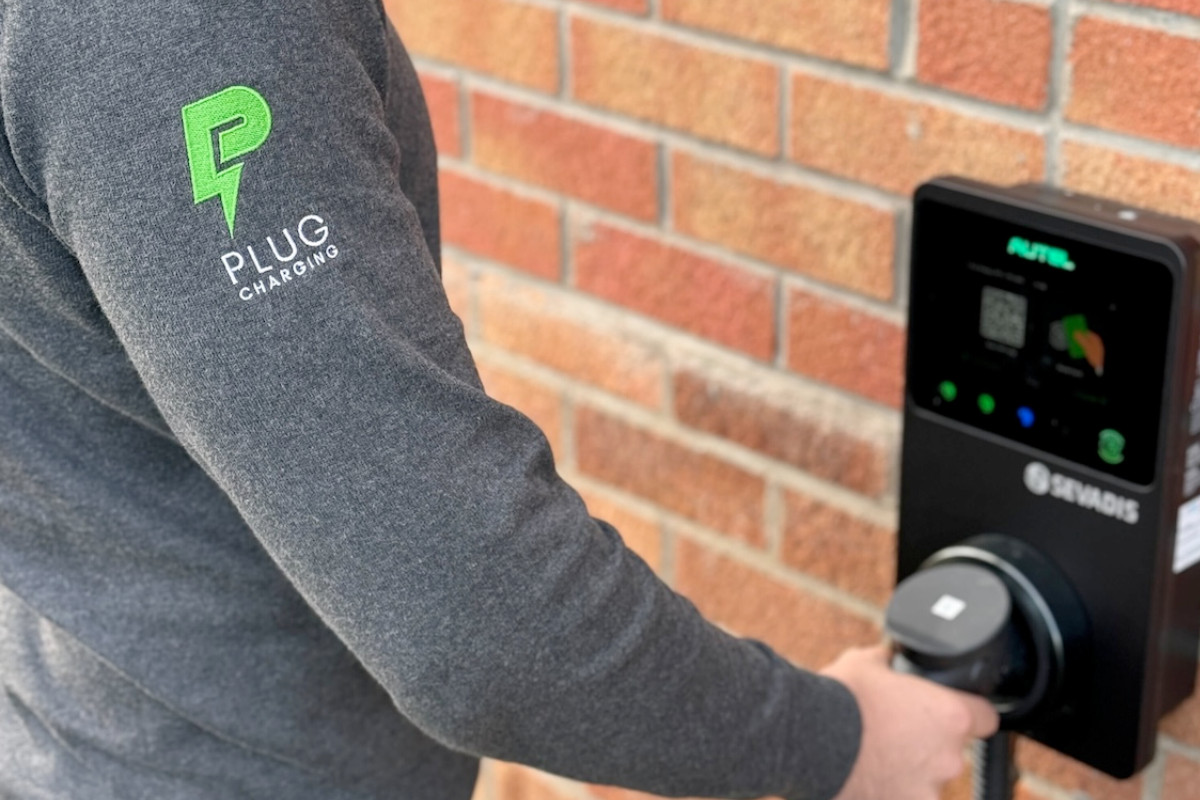
Plug Charging has acquired the UK and Ireland charge point estate of Wattif, adding 350 charge points to its network across both markets.
The acquired chargers are spread across a range of high-demand destinations, including transport hubs, NHS and health board sites, holiday parks, retail parks and hospitality venues.
Cardiff-based Plug Charging plans to integrate the newly acquired estate into its own platform, with a focus on improving day-to-day performance and support.
Jarrad Morris, Founder and CEO of PLUG Charging noted, “This acquisition marks a significant milestone for PLUG and accelerates our growth across both the UK and Ireland. It strengthens our network with a high-quality portfolio of assets in locations where charging reliability and user experience genuinely matter.”
Wattif: a UK exit, not an EV exit
The deal is also notable for what it suggests about Wattif’s direction of travel.
Wattif EV was founded in Norway in 2021, and has positioned itself as a multi-country operator across Europe. The company says it operates across six countries and manages a portfolio of more than 45,000 charging points – a reminder that selling its UK and Ireland estate is unlikely to be existential for a business with a broader European footprint.
Instead, it looks more like a decision to redeploy attention and capital – and that fits a pattern we’re seeing more frequently as the UK public charging market gets tougher.
We’ve covered this consolidation trend in recent days, with Be.EV acquiring Mer’s UK public charging network – a deal that added more than 1,600 charging bays across over 450 sites, while Mer ‘sharpens its strategic focus on its core European markets’.
A day earlier, Connected Kerb acquired the EV charging assets of Trojan Energy, including its Flat & Flush charge points and live public charging network, after Trojan entered administration.
Put together, the direction of travel is hard to ignore: the UK’s charge point operator market may be growing in charger numbers, but it’s not growing in the number of viable operators who can sustain the cost of maintenance, customer support, grid constraints, and utilisation risk across a national estate. Scale, uptime and access to capital increasingly decide who lasts – and who sells.