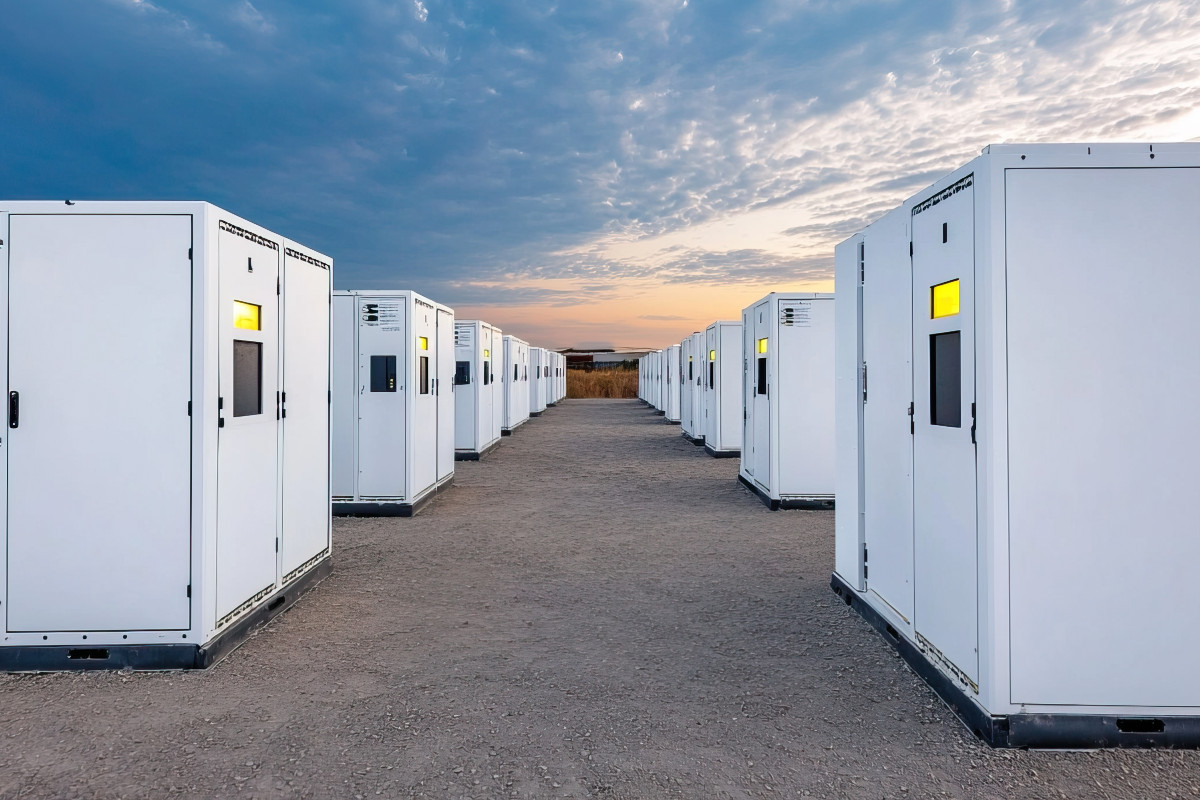
Energy Storage Ireland (ESI), the representative body for Ireland’s energy storage industry, has called on EirGrid to ensure the Government’s 500MW long-duration energy storage target is fully delivered by 2030.
Responding to the recent consultation on a long-duration energy storage (LDES) procurement mechanism, ESI said it welcomed the positive progress represented by the proposals but urged greater ambition, clarity and design improvements if storage is to play its full role in driving down electricity costs and supporting Ireland’s energy transition.
The consultation is a key milestone in increasing the storage capacity of the Irish electricity system, specifically for long-duration storage. It is being developed to build capacity by 2030 in line with the Government’s Electricity Storage Policy Framework, and in particular Action 6, which envisages an initial procurement round with a guide volume of 500MW of long-duration storage.
Pat Lambert, Policy Analyst at Energy Storage Ireland, said, “Long-duration storage is essential for reducing renewable curtailment and maintaining system stability. It’s also key to delivering energy security and independence, enabling higher renewable penetration on the grid, and meeting Ireland’s 2030 climate targets. Ultimately, increased energy storage is great news for hard-pressed consumers who are in urgent need of lower energy prices, as it will ensure a more efficient, flexible system and help shift Ireland away from reliance on expensive imported fossil fuels.”
ESI argues that technologies capable of storing energy for several hours at a time will be critical as more wind and solar connect to the grid, helping to capture renewable generation that would otherwise be curtailed and shifting it to periods of higher demand.
While Ireland is working towards 500MW of long-duration storage by 2030, the UK Government’s Clean Power 2030 action plan suggests that 4–6GW of long-duration electricity storage will be needed across Great Britain by the same date, rising to 5–10GW by 2035, alongside a much larger fleet of shorter-duration battery projects. And while the markets clearly differ in size, the scale of the UK’s stated LDES needs underlines the contrast with Ireland’s current proposal to begin with a significantly smaller 201MW procurement round.
Within the EirGrid consultation, the proposed minimum procurement is set at 201MW of long-duration storage in an initial round, with a target go-live date of 2030. ESI has welcomed the fact that a concrete mechanism is now on the table, but remains concerned that the volume falls short of what the Government itself has signalled through its policy framework.
Bobby Smith, CEO of Energy Storage Ireland, said, “I want to welcome the long-awaited consultation, but this is only a starting point, as the Government continues to expand its ambition for long-duration energy storage. The Government has said it wants to ramp up long-duration energy storage significantly, yet the proposed minimum procurement of 201 MW is still well below its 2030 goal of 500 MW. ESI is calling for more ambition in this round and a clear path toward delivering the full 500 MW. We’re also concerned that the suggested 10-year contract length doesn’t match what’s offered in similar schemes internationally. To ensure the best value for consumers and investors, we recommend increasing this to at least 15 years.”
EirGrid’s consultation currently proposes a 10-year contract term for successful projects, linked to a revenue floor and participation in wholesale and balancing markets. ESI contends that a longer contract, closer to 15 years, would better reflect the capital-intensive nature of long-duration storage projects, align with international practice and provide greater certainty for investors, which in turn could help lower overall costs for consumers.
Bobby added, “If we can ensure an ambitious and robust LDES procurement mechanism, we will ensure we capture as much renewable energy as possible and deliver it to the grid in time to power our homes and businesses with clean, affordable renewable energy. ESI wants to ensure Irish consumers get value for money. It’s time we get off expensive fossil fuels and increase our energy security through storage.”
ESI is now urging EirGrid and the Government to set out a clear trajectory from this first procurement to the full 500MW of long-duration storage, with contract terms that it believes will unlock investment at scale. It argues that decisions taken in the design of this initial mechanism will shape Ireland’s ability to integrate higher levels of renewables, meet its 2030 climate goals and shield households and businesses from volatile fossil fuel prices in the years ahead.