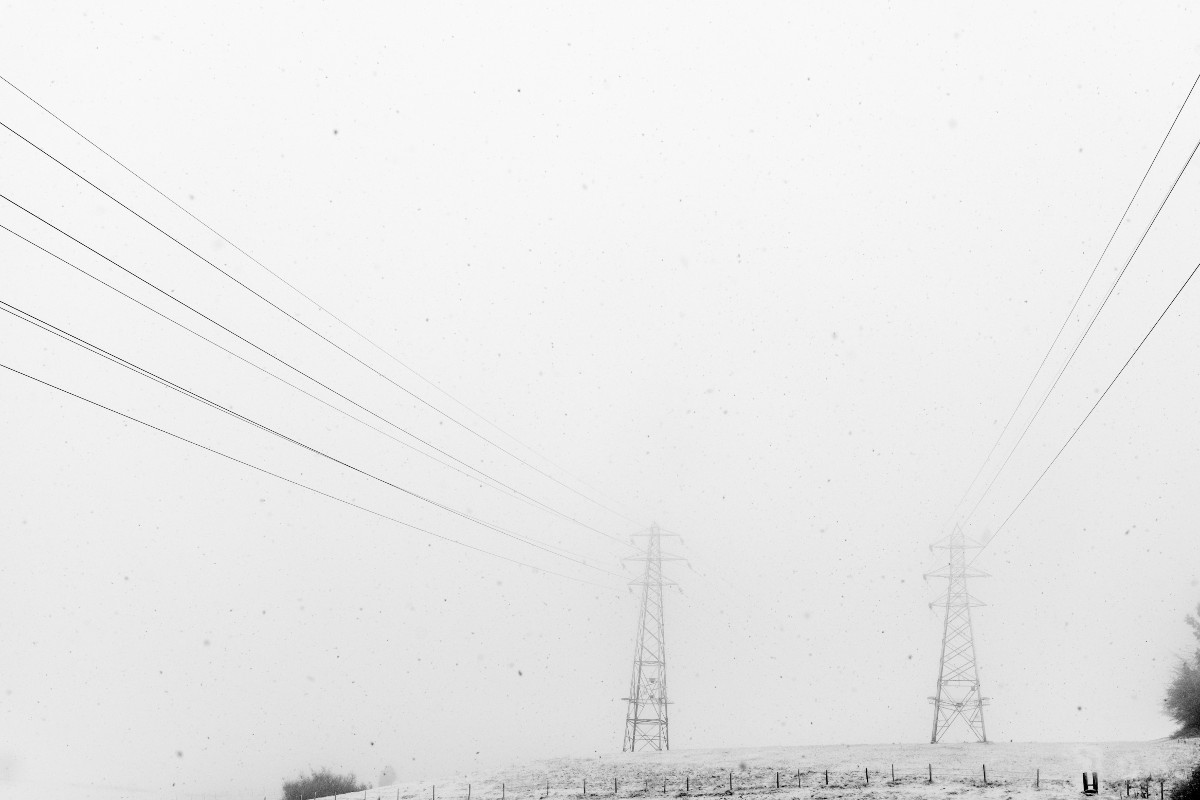
Site managers are being urged to ensure power systems are serviced and back-up plans put in place, as forecasters predict a cold winter ahead.
The Power Systems team at Finning UK & Ireland is advising facilities managers to shore up their contingency operations to protect against costly downtime caused by any future outages. Engine cold starts, increased friction, fuel gelling, and low battery outputs can all cause significant generator damage if left unaddressed.
According to the Royal Meteorological Society, last winter Storm Darragh (December 2024) caused 2.3 million power cuts. Long-range forecasts for early 2026 are now showing a likelihood of a colder and drier than average winter – meaning you still have time to plan, but that planning should start sooner than later.
With significant financial and functional impact at stake for businesses across sectors such as healthcare, digital infrastructure and manufacturing, establishing good generator health going into the winter months is crucial to protecting continued operations, according to Finning.
According to the company, it is never too early to prepare for blackouts and power cuts, as the cold weather puts additional pressure on an already fragile electricity grid.
Rob Froome, Head of Project Delivery Contracts & Commissioning at Finning, noted, “Whether it’s data centres, construction sites or hospitals, we know the cold weather will be a problem for site managers across the board. The key is to determine your power requirements, whether you plan to provide power for the entire facility or for critical load only, and then implement a temporary power solution that is tried and tested before you need it.
“We know that engine wear is highest during a cold startup, with it typically associated with around 70% of engine wear. Running generators cold means increased stress on the system leading to a shorter lifespan. Generator maintenance, servicing, and planning for lower temperature use will help elongate the life of components and help to burn fuel more efficiently during these conditions.”
Beyond equipment condition, Finning is also stressing the importance of having clear procedures in place should the lights go out. Emergency planning is another key aspect to winter weather preparation, with defined operational steps for loss of power helping to cut downtime and reduce the risk of ad-hoc decisions in the heat of the moment.
The company notes that putting backup rental options and rapid-response arrangements in place before they are needed can make it easier to restore supply quickly if the grid or primary generation fails.
Rob added, “Having the right equipment, the right emergency contacts, and a plan for fuelling is critical for cold weather running. Don’t wait for the inevitable to happen because by then it’s too late, the damage is done. Increased costs from longer downtimes and fuel usage, as well as generator damage, result from a lack of planning and maintenance. Prepare for the worst now and expect the best later.”